
The Basics of Tennis and Padel: The Yellow Ball
Whether you're an amateur player, a professional, or a coach, you know that every detail counts when it comes to ensuring a strong performance on the court. However, one crucial factor is often overlooked: the quality of the balls. It may seem trivial, but balls play a central role in the pace, accuracy, and enjoyment of the game, whether it’s tennis or padel.
In this article, we'll explore why balls are essential to the quality of play, how their condition affects players’ performance, and what solutions are available to keep balls in top condition without breaking the bank.
Why are balls so important?
The impact of balls on the game is enormous but often goes unnoticed, especially by inexperienced players. Here are the key ways in which balls directly influence the quality of play:
1. The rebound: a key factor
Bounce is the very essence of tennis and padel. A ball that is underinflated or worn out:
- In tennis : It bounces lower, which disrupts expected trajectories and forces players to adjust their technique.
- In padel : Insufficient bounce slows down the game, limits smashes and shots that go out of bounds, and affects rallies—which are the heart of this sport.
A single misplay can turn a smooth game into a string of frustrating mistakes, especially at a competitive level.
2. Speed and control
- In tennis : A deflated ball is slower and less responsive, which reduces the feel of the game and limits the ability to make precise shots.
- In padel : Control is essential for placing precise shots in the corners or executing successful volleys. A worn-out ball, with a worn-out felt surface, loses grip and consistency, making shots unpredictable.
3. The players' experience
Balls in poor condition not only hinder technique but also detract from the enjoyment of the game. A lively, consistent ball enables dynamic rallies, supports intensive training, and enhances player satisfaction.
The Consequences of Poor-Quality Bales
1. Loss of performance
Players, especially beginners, have a hard time adjusting to the variations in bounce and speed caused by worn balls. This slows down their progress and reduces the effectiveness of their training sessions.
2. Player frustration
Both recreational players and competitive players expect optimal playing conditions. Poor-quality balls can lead to complaints, players dropping out, or a negative image for the club.
3. Hidden costs for clubs and coaches
The use of used balls forces coaches to replenish their supplies more frequently to maintain an acceptable level of quality, thereby increasing overall expenses.
How can we ensure the highest quality bales?
1. Choose your balls carefully
Not all balls are created equal, and it's crucial to choose the ones that meet your needs:
- For tennis : Choose balls approved by the International Tennis Federation (ITF), which guarantee proper bounce and durability.
- For padel : Choose balls specifically designed for padel, which are slightly less pressurized than tennis balls, for a game better suited to the surface and the walls of the court.
2. Avoid low-quality balls
Cheap balls may seem like a good deal, but they often lose their air pressure very quickly. Their premature wear and tear will force you to buy them more often, negating any initial savings.
3. Extend the life of the balls with pressurized solutions
Pressurized balls naturally lose pressure after a few hours of play, even if they are not being used. To maximize their lifespan:
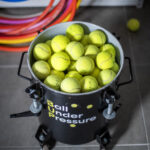
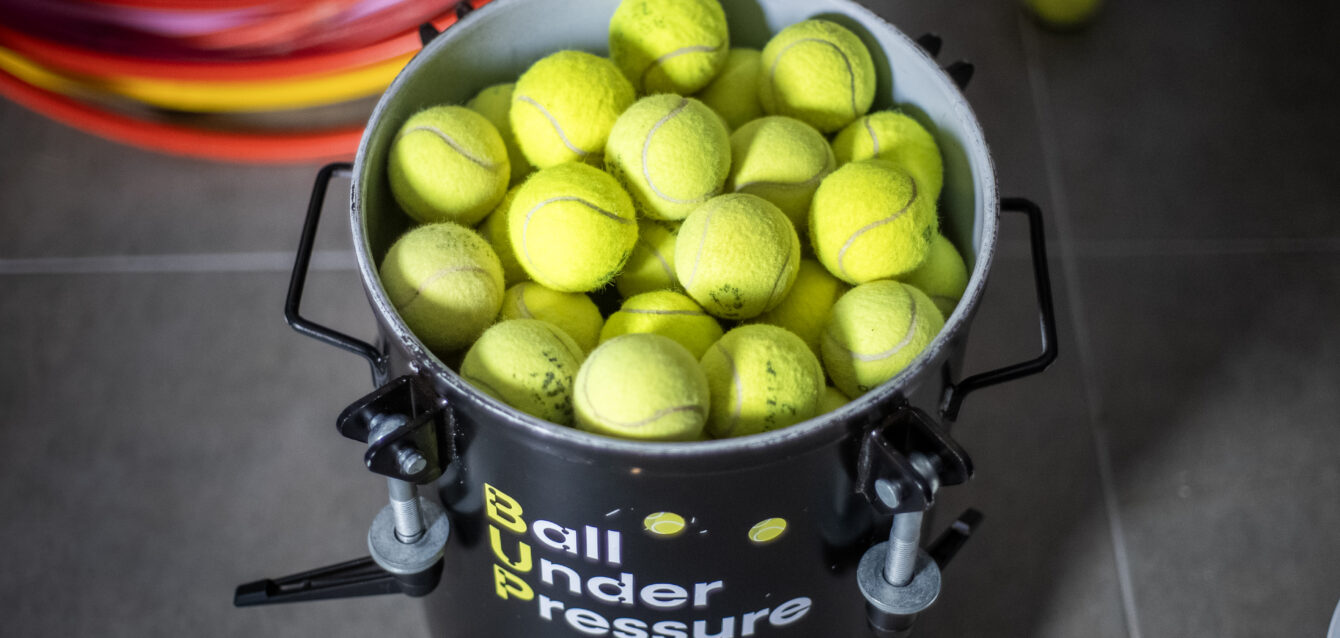
- Invest in a pressurized bucket like the BUP, which restores pressure and prolongs the quality of the balls. With a tool like this, the balls last twice as long, drastically reducing your expenses.
4. Store your balls properly
- Never leave the balls in extreme conditions such as heat or humidity, which accelerate their deterioration.
- Store them in their pressurized tube or an airtight container.
Why Investing in High-Quality Balls and Maintaining Them Is Cost-Effective
1. Long-term cost savings
A club that extends the lifespan of its balls using a tool like the BUP can reduce its spending on balls by 50% per year. For example:
- A club that spends €6,000 a year can reduce that amount to €3,000.
- The investment in a food service system pays for itself in one year.
2. Player satisfaction
Players can immediately tell the difference between a new ball and a worn-out one. Providing balls of consistent quality enhances their experience and fosters their loyalty to the club.
3. Improved student progress
For coaches, working with consistent, dynamic balls helps maximize student learning. Reliable trajectories and consistent bounces promote more precise and effective training.
The Importance of Balls in Padel and Tennis Training
In tennis :
- Powerful shots, serves, and spin depend directly on the ball's bounce.
- A deflated ball makes it impossible to practice trajectories or placement properly.
In padel :
- The fast pace of the game and the various shots (smashes, drop shots, lobs) require lively balls to produce spectacular, fluid rallies.
- A soft ball slows down the game and limits offensive strategies.
Don't underestimate the importance of balls: they're essential for a high-quality game
Balls are much more than just an accessory: they determine the pace, flow, and enjoyment of the game, whether in tennis or padel. Poor ball management can compromise the players’ experience, increase costs for clubs, and slow down students’ progress.
With solutions such as the BUP, you can ensure that your balls always perform at their best, double their lifespan, and significantly reduce your expenses. By investing in the quality and maintenance of your balls, you provide your players and coaches with the optimal conditions to improve and thrive.
So don’t let worn-out, ineffective balls hold you or your members back. Take control today and make ball quality a priority for your club.