
Tennis and padel clubs in France—and particularly in Provence —strive every day to provide their players with optimal playing conditions. However, behind the scenes, there is a growing sense of frustration: managing tennis and padel balls has become a real headache.
We conducted an in-depth study of 450 tennis and padel clubs to understand their practices, expenses, and concerns. The results are eye-opening: between excessive spending, waste, and frustration with ineffective solutions, clubs are looking for change. This article sheds light on the day-to-day realities faced by clubs, with the hope of offering food for thought and concrete solutions.
Common Practices: Bales Replaced at a Frantic Pace
A constant supply of bales
In 95% of the clubs surveyed, tennis and padel balls are replaced every 3 to 4 weeks on average. That amounts to hundreds, if not thousands, of balls per year.
- For training sessions: Coaches use entire buckets of balls to maintain an effective training pace. These balls, although used intensively, quickly lose their bounce.
- For competitions: The balls must be in perfect condition. Clubs ensure compliance with the standards, which requires the use of new balls for every official match.
Storage: Haphazard Management
Many clubs do not have a specific method for storing their balls, which accelerates their deterioration:
- Balls are often left out in the open after practice or stored in places exposed to extreme temperatures.
- As a result, the balls lose pressure more quickly, meaning they need to be replaced even more often.

Limited eco-friendly practices
Only 10% of the clubs surveyed reported that they recycle their worn-out balls or reuse them for other purposes (such as cushioning for chairs or multisport courts). The majority of the balls are discarded after their initial use.
In short: Clubs follow traditional practices without truly optimizing them, which increases their costs and their environmental impact.
Average Expenses: Budgets Are Skyrocketing
High annual costs
On average, a tennis club in Provence spends between €3,000 and €6,000 a year on balls.
- Small clubs (with fewer than 200 members) spend approximately €2,000 to €3,000, mainly on training sessions and a few local competitions.
- Large clubs (with more than 500 members) may exceed €8,000 annually, as they must organize regular competitions and intensive training sessions.
An expense that members tend to underestimate
Club members often don't realize that balls are one of the biggest expenses, after coaches' salaries and facility maintenance.
- 90% of the club presidents surveyed say that the cost of balls is “excessive.”
- 70% of coaches believe that worn-out balls negatively affect the quality of practice and frustrate the players.
Buying in large quantities, but not necessarily cheap
Some clubs use tournament balls to cut costs the rest of the year. However, if these balls are stored improperly, they lose pressure before they are even used, resulting in a significant financial loss.

Clubs have had enough: “We’re throwing hundreds of euros down the drain”
Widespread frustration
The consensus is clear: clubs are tired of constantly having to replace balls because of their short lifespan. Here’s what we’ve heard:
- “We buy tennis balls, but they’re unusable after just a few weeks. It feels like we’re throwing money out the window.” – President of a tennis club in Aix-en-Provence.
- "The players are always complaining about the balls being too soft. We're constantly replacing them, but it costs a fortune." — Coach in Marseille.
- “It’s a vicious cycle: the balls wear out, we buy more, and it starts all over again. We need to find a lasting solution.” – Manager of a padel club in Toulon.
The consequences
- Clubs are forced to cut back on other expenses (equipment, facilities, events) in order to continue buying balls.
- Coaches become less effective during practice sessions when the balls lose their bounce.
- Players, especially competitive players, complain about the quality of the balls, which damages the clubs' reputation.

A shared goal: to find a solution that works
What do the clubs want?
Clubs are looking for a sustainable and cost-effective solution to extend the life of their balls and reduce their expenses:
- "We want balls that last longer without losing their quality."
- "A solution to restore ball pressure would be ideal. It would be a real game-changer for clubs."
- "We'd like to cut back on our spending on balls without compromising player satisfaction."
Key criteria for an ideal solution
- Cost-effective: The solution must result in a significant reduction in the costs associated with replacing the bales.
- Effective: Reconditioned or preserved bullets must perform comparably to new bullets.
- Easy to implement: Clubs don’t have the time or resources for complex systems.
What if a solution already existed?
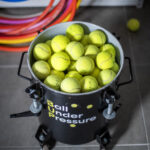
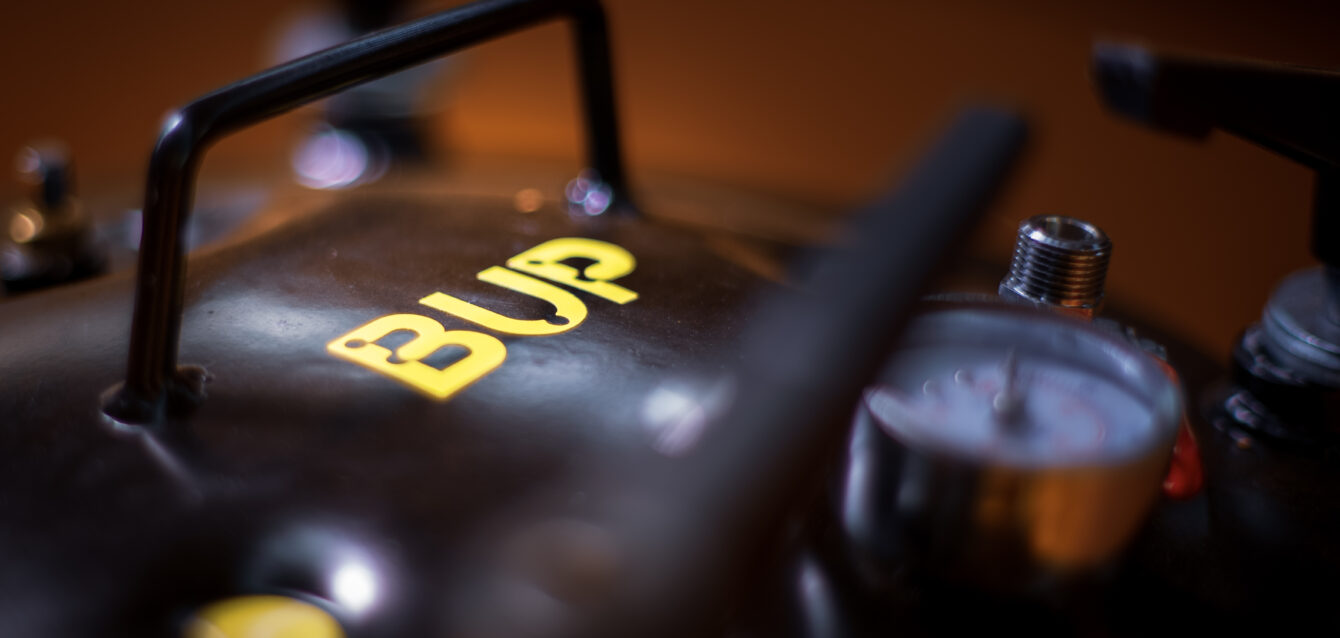
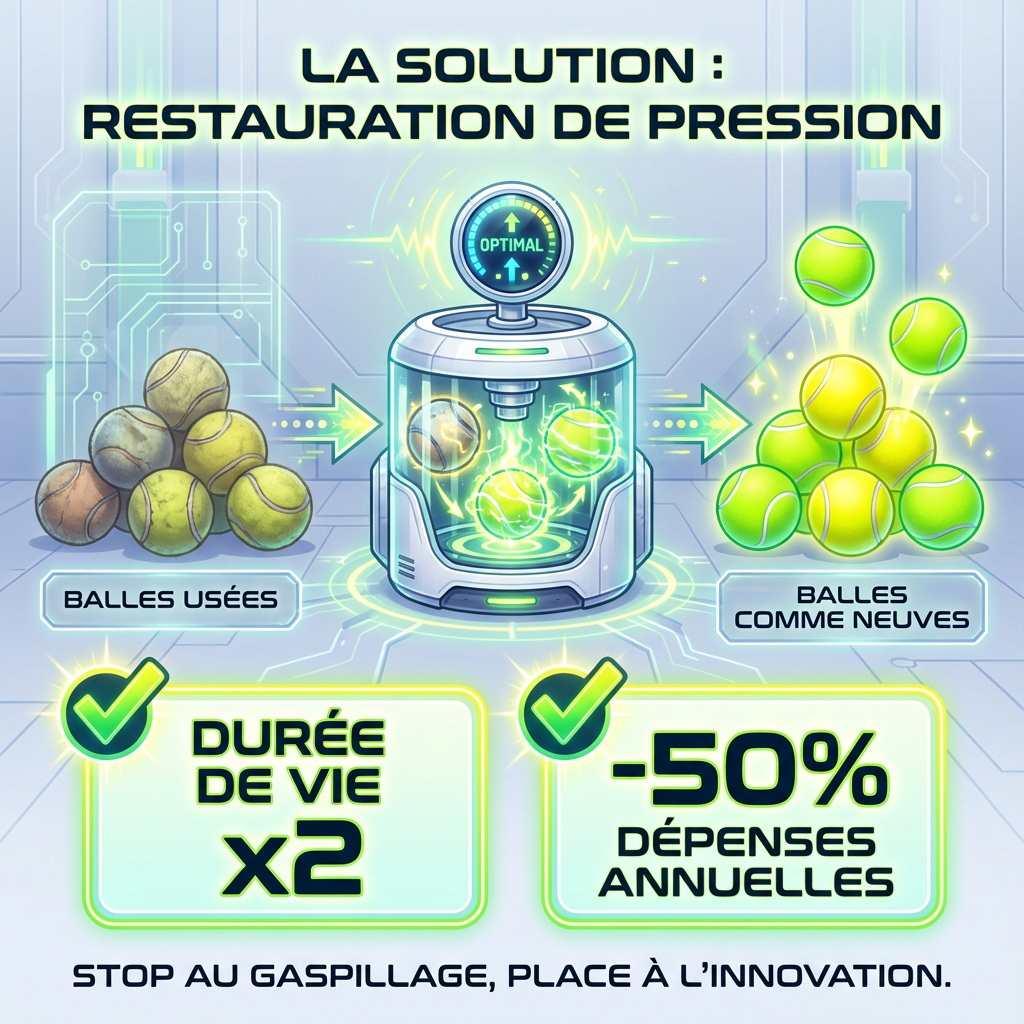
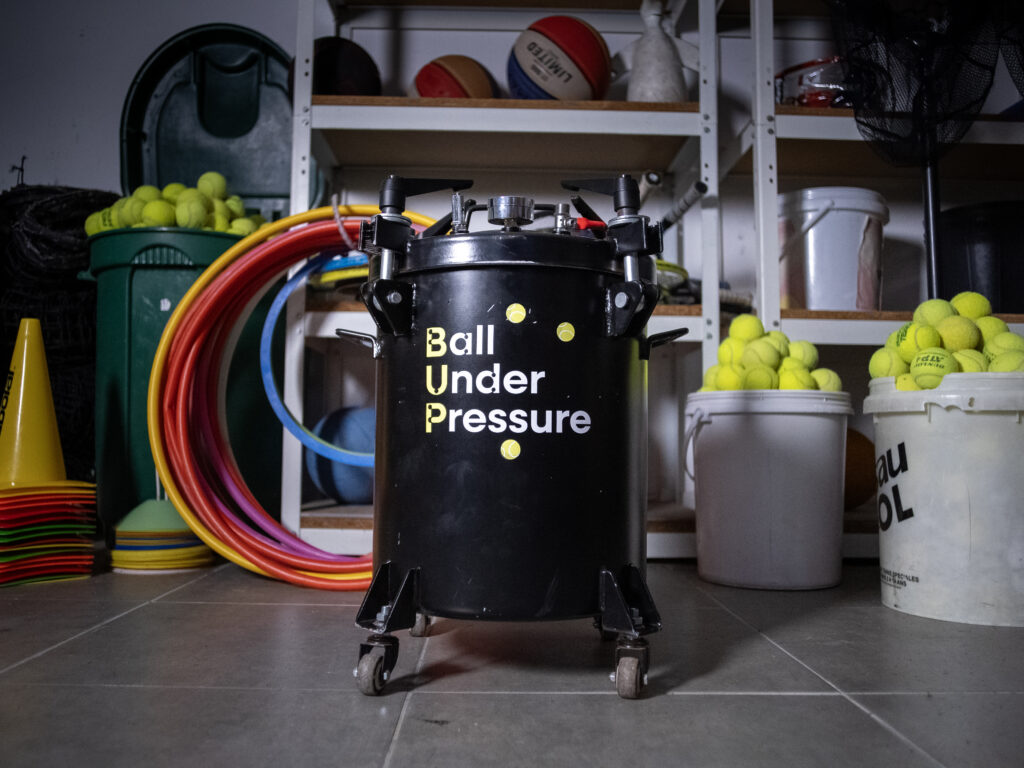
Some innovative clubs have begun using pressure-relief systems, such as the Ball Under Pressure (BUP). These devices allow you to:
- Restore the pressure in used balls by recreating a pressurized environment.
- Extend their lifespan by up to twice as long.
- Reduce annual spending on bales by 50%.
Real-world example: A club in Arles reduced its spending on balls from €5,000 to €2,500 by using a pressure-recovery system.
Conclusion: Change is necessary and possible
The results of our study clearly show that ball management is a major source of frustration and expense for tennis and padel clubs in Provence. But this problem can be solved through simple innovations, such as pressurized containers or ball-replacement systems.
What about you—is your club ready to break out of this vicious cycle?
It’s time to rethink ball management, invest in sustainable solutions, and offer your players an optimal playing experience—all while reducing your costs.
Don't let your balls —or your budget—go flat for no reason.