
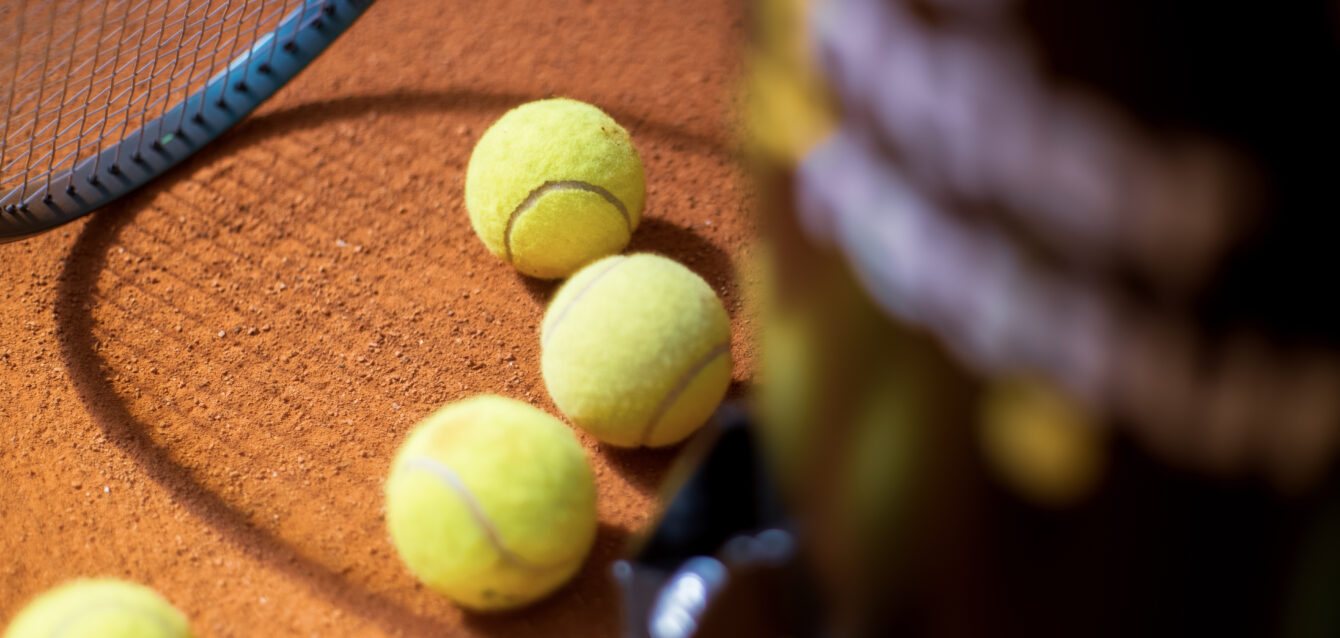
For tennis and padel clubs, balls are a major expense, but did you know that their life cycle is deliberately designed to force you to buy them over and over again? Yes, the problem goes far beyond simply needing to replace them. Tennis and padel balls are the perfect example ofplanned obsolescence: they’re intentionally manufactured to become unusable after just a few hours of play.
Add to that the rising prices of raw materials like rubber, and you end up with a situation where clubs are spending more and more on a product that’s ineffective and incredibly polluting. But there’s a solution that could save you 50% on your annual ball budget. So why keep paying for a system that doesn’t work?
The Planned Obsolescence of Balls: How You’re Forced to Buy More and More
Pressurized tennis and padel balls are designed to provide optimal bounce thanks to their pressurized rubber core. But as soon as a tube is opened, that’s the beginning of the end.
Why do balls have such a short lifespan?
- Rubber Porosity
The rubber used in the core of the balls is intentionally porous. This means that the internal pressure (28 PSI for tennis, 26 PSI for padel) begins to escape immediately after the tube is opened. As a result, after just 4 hours of play, a ball loses enough pressure to impair its performance.
2. Deliberately Non-Durable Design
The balls are deliberately manufactured to have a limited lifespan. Alternatives exist, such as non-pressurized balls or more durable models, but manufacturers rarely promote them because doing so would reduce their sales.
3. Direct Impact on Clubs
For clubs, this means they must constantly replace a product designed to wear out quickly. Practices, competitions, and even recreational sessions require new balls, which puts an exponential strain on budgets.

The price explosion: rubber, the crisis we're not telling you about
Did you know that the price of rubber has skyrocketed in recent years? This increase is directly linked to several factors:
-
- Scarcity of natural resources: Natural rubber production is becoming increasingly difficult due to deforestation and climatic conditions.
-
- Global industrial demand: The automotive and other industries consume huge quantities of rubber, driving up prices.
The result? Ball manufacturers are passing these costs on to clubs and players, who are paying more for a product with such a ridiculously short lifespan. Ball prices have risen by 15% over the past two years, and this trend shows no signs of stopping.
An Unsustainable Cost for Clubs: The Economic Trap
Clubs spend an average of €6,000 a year on balls. But on closer inspection, this figure conceals an even more frustrating reality:
-
- A ridiculous lifespan
-
- A pressurized ball becomes unusable after only 3 to 4 hours of play.
-
- For competitions, the rules require new balls for every match. For example, a tournament like Wimbledon uses 54,000 balls in two weeks.
-
- A ridiculous lifespan
The solution: cut your costs in half with the BUP pressurizer
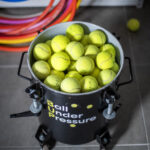
It's time to break out of this vicious cycle. There is a solution that can extend the life of your balls and significantly reduce your expenses: the BUP pressurized bucket.

How does it work?
The BUP restores optimal pressure (26–28 PSI) around the balls, allowing them to:
-
- Recover their rebound after use.
-
- Double or even triple their lifespan.
Benefits for Your Club
Why continue to pay for an inefficient system?
Tennis and padel clubs are trapped in a business model that costs them a fortune for a product designed to be disposable. The planned obsolescence of balls and rising raw material prices are placing a heavy burden on budgets, without offering any sustainable solutions.
With the BUP pressurized bucket, you finally have an alternative:
-
- Save up to 50% on your annual ball expenses.
-
- Offer your players impeccable game quality.
-
- Reduce the ecological impact of your business.

The initial investment in the BUP pays for itself quickly, and the benefits are evident as early as the first year. So why keep getting stuck in a system that doesn’t work? Take control of your expenses and join the clubs that have already adopted innovative solutions for more sustainable tennis and padel.
Conclusion: stop being a victim of the system
Tennis and padel balls, as they are designed today, serve only one purpose: to force you to keep buying them. Between planned obsolescence, rising prices, and their environmental impact, it’s urgent to rethink how you manage your balls.
With BUP, you finally have the power to say STOP:
-
- Stop wasteful spending.
-
- Stop poor quality used bullets.
-
- Stop massive pollution.
Make the decision today to reduce your costs and improve your ball management. Because it’s time for clubs, coaches, and players to take back control.