We compare rackets, choose our strings, and test our shoes. But when it comes to the ball, we often pick one without giving it a second thought. Yet it’s the element that determines the bounce, speed, and control in every rally. Here’s why the quality of tennis and padel balls matters so much—and how to keep them performing at their best for longer.
Why the ball is the key element of the game
The Rebound
In tennis, a ball that has lost pressure bounces lower and throws off the player’s timing. In padel, a bounce that’s too low slows down the game, limits smashes and shots off the glass, and reduces the intensity of rallies.
Speed and Control
A fresh ball returns the energy of the shot: the trajectories are straight and predictable. A worn-out ball is slower and reacts erratically to spin. You have to hit harder to achieve a less accurate result.
The Joy of Playing
Players immediately feel the difference. Consistent balls make rallies more rhythmic and practice sessions more enjoyable. Soft balls, on the other hand, lead to errors and frustration.
The Consequences of Using Bullets in Poor Condition
- Slower progress: Beginners have a hard time adjusting to uneven bounces.
- Less effective practice: A coach cannot work on accuracy with a mixed group of players.
- Dissatisfied members: The quality of the balls is part of a club’s image.
- A hidden cost: To maintain an acceptable standard, the balls need to be replaced more often.
- Risk of injury: Soft balls pose a risk of injury because players have to hit harder with each shot.
To understand the differences between a new ball and a worn ball, read "What's the Difference Between a New Ball and a Worn Ball?"
How to Choose the Right Balls
In tennis
Choose balls approved by the International Tennis Federation (ITF) that are suitable for your court surface (clay, hard, indoor) and altitude. Pressurized balls offer the best feel; non-pressurized balls are best suited for beginners.
At the padel court
Choose balls specifically designed for padel, which are slightly less pressurized than tennis balls (about 26 PSI versus 28). They are suited to playing off the walls and to the size of the court. If the club where you play offers secondhand, re-pressurized balls, these are often an excellent option for improving your game without breaking the bank.
Be wary of low-quality bullets
A very inexpensive ball often loses pressure more quickly. If you have to replace it twice as often, the savings disappear. Unless you use a MiniBUPor MiniBUP Manual
How to Keep High-Performance Balls in Good Condition Longer
Store Them Properly
Store your balls in a dry place at room temperature. Avoid storing them in the trunk of your car, in direct sunlight, or in damp areas. For detailed tips, see “How to Keep New Tennis and Padel Balls in Good Condition Longer.”
Separate Uses
New balls for games, newer balls for practice, and older balls for the baskets. Each ball is used to the best of its condition.
Canning them under pressure
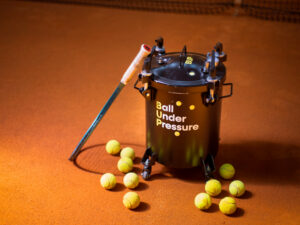
The main cause of performance loss is air leakage through the rubber between sessions. Storing the balls in a pressurized chamber prevents this leakage:
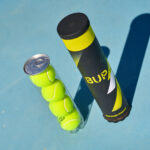
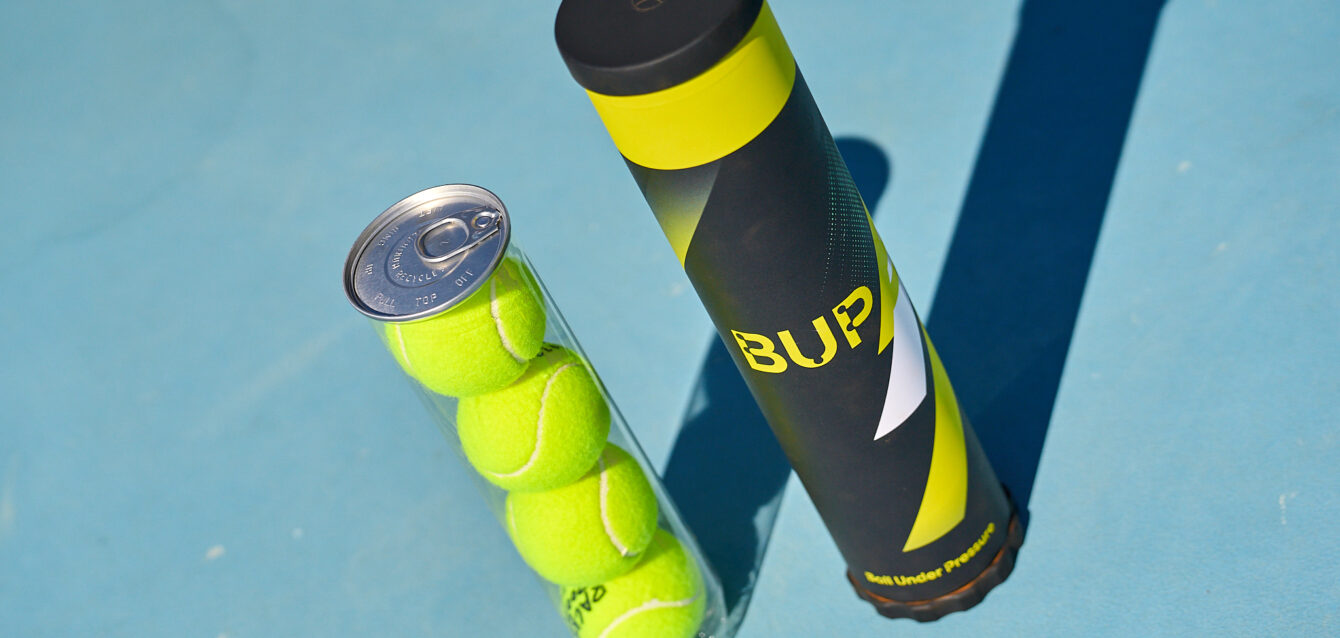
- The MiniBUP holds 3 pressurized balls in the players' bag;
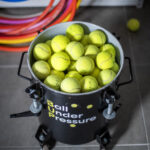
- The BUP120 holds up to 120 balls for clubs and instructors.

Why It's Profitable for a Club
A club that preserves its balls under pressure replaces them less often. Clubs equipped with this system reduce their ball budget by 30 to 50 percent. For a club that spends 3,000 € per year, this represents savings of 900 to 1,500 €, for equipment costing 800 € (excluding tax). Estimate the savings for your club using our savings simulator.
Frequently Asked Questions
What is the difference between a tennis ball and a padel ball?
The padel ball is slightly smaller and has lower pressure (about 26 PSI compared to 28 PSI for tennis), which results in a lower bounce that is better suited to the padel court.
How can you tell if a ball is no longer good?
It bounces significantly lower, squishes easily in your hand, and its trajectory becomes erratic. See our article “Soft Tennis Balls: Should You Throw Them Away?”
Conclusion
The ball is the only piece of equipment that all players touch during every rally. Choosing the right ball and taking good care of it improves the playing experience, helps students progress, and saves the club money. It’s a small detail that makes a real difference on the court.